Coin Flips, Streaks and the Gambler's Fallacy
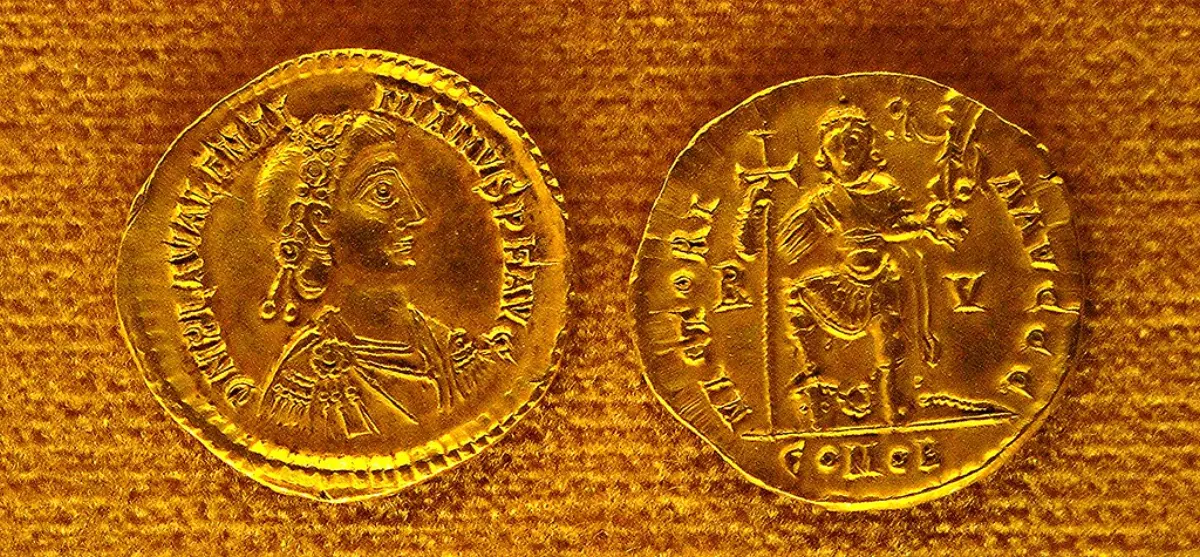
Flip a fair coin five times and get heads every time, and something in your gut insists tails is now overdue. That instinct — the gambler's fallacy — has emptied a lot of wallets. A coin is one of the clearest ways to see why it is wrong.
A fair coin has no memory
Each flip of a fair coin is independent: the coin does not know or care what came before. The probability of heads is 50% on the first toss and exactly 50% on the tenth, no matter how many heads or tails preceded it. Past results cannot "balance out" a future one, because nothing carries information forward. Believing that a run of heads makes tails more likely — or that a hot streak will continue — is the gambler's fallacy, and it applies to roulette wheels and lottery numbers just as much as coins.
Streaks are normal, not spooky
Runs of the same result feel surprising, but they are expected. In 20 flips, a streak of four or five in a row is more likely than not to appear somewhere. Truly random sequences are actually streakier than the tidy alternation people imagine — when someone is asked to fake a random list of coin flips, they almost always include too few long runs, which is exactly how statisticians catch fabricated data.
What the law of large numbers really says
The law of large numbers is real, but subtle. It says the proportion of heads gets closer to 50% as the number of flips grows — not that the counts of heads and tails converge. In fact the absolute gap between them tends to grow. After a run of heads, the coin does not compensate; instead, thousands of later 50/50 flips simply dilute that early imbalance until it barely moves the percentage. Averages settle down not because luck corrects itself, but because new data overwhelms the old.
How long a streak should you expect?
Streaks are not merely possible, they are predictable in aggregate. In a run of n fair flips the longest streak of identical results sits close to log2(n): about 7 heads or tails in a row somewhere inside 100 flips, about 10 inside 1,000, about 13 inside 10,000. Seeing no long streak at all would be the surprising outcome.
This is why sequences people invent by hand look wrong to a statistician. Asked to fake a hundred coin flips, most of us alternate too often and cut streaks short at three or four, because a run of six feels like it must be a mistake. Simple tests spot hand-made sequences almost immediately for exactly that reason.
The inverse fallacy: the hot hand
The gambler's fallacy says a streak must end; the hot-hand fallacy says it must continue. Both assume the past changes the next independent trial, and both are wrong about a coin. Interestingly, the hot hand is not always a fallacy — for basketball shooters there is evidence of a small genuine effect, because a human being is not a memoryless device. A coin is.
The practical test is simple: ask whether anything physical connects one trial to the next. A deck dealt without replacement genuinely changes as cards are removed, so counting works. A roulette wheel, a die and a coin reset completely every time, so nothing carries over.
Regression to the mean, not correction
After 10 flips that came up 8 heads you are three flips ahead. Flip a thousand more times and the expected surplus is still three — the coin never pays it back. What changes is the ratio: 3 extra heads out of 10 is 80 per cent, but 3 out of 1,010 is 50.1 per cent. The deviation is diluted, not corrected.
The same distinction explains why an unusually good quarter is usually followed by a merely average one, and why punishing a bad performance appears to work while praising a good one appears to backfire. Nothing is correcting anything: the extreme value simply was not the underlying average, and the next measurement lands closer to it.
The takeaway
Every flip is independent, streaks are expected, and the law of large numbers works by dilution, not correction — so no outcome is ever 'due'. Flip one coin or a hundred in the coin flip tool and watch the percentages settle.
Flip one coin or a hundred, with heads/tails counts and percentages.
More guides

True Random vs Pseudo-Random Numbers
Most 'random' numbers on a computer come from a formula. How pseudo-random generators differ from true randomness, and when it matters.
How to Run a Fair Raffle or Giveaway
A giveaway is only worth entering if the draw is fair. How to collect entries, pick winners without bias, and prove the result.
Dice Probabilities Every Gamer Should Know
Why 7 comes up most on two dice, what 'bell curve' really means for your rolls, and how advantage and modifiers shift the odds in tabletop games.